On 28 July, many people began crossing the border at Tarajal – most of them swimming, some walking along the breakwater. Within three days, estimates suggest that between 60,000 and 70,000 people crossed from Morocco into the Spanish enclave. What followed was an almost complete collapse of the institutional response: reception centres were overcrowded within hours, while thousands of people were left without water, food, shelter or medical care, staying on streets, beaches and in forests. The response of the Spanish authorities consisted largely of pressuring people to return to Morocco. An estimated 80 to 90 per cent of those who had crossed the border returned within the first few days. Nevertheless, around 6,000 to 8,000 people remain in an uncertain situation – on the streets, in makeshift camps or hiding in forests – without registration, without information about their legal status and without any clarity about what is expected of them.
The situation has not improved since then – quite the opposite: it is becoming increasingly severe. Unaccompanied minors are particularly affected, with many staying in schools, on football pitches or in abandoned buildings. Hundreds of girls who have fled sexual violence are finding only makeshift protection in spaces opened by neighbourhood associations. Official facilities such as the CETI reception centre and accommodation for minors have been overcrowded for months and are unable to cope with the influx. Military tents set up as an emergency measure remain empty because they lack basic infrastructure such as water and electricity.
The humanitarian emergency is pervasive. In the first days of the crisis, shops remained closed, while military patrols prevented people from accessing food and other basic necessities. Public showers and drinking fountains remained inaccessible, and the extreme heat during the day, combined with cold and damp at night, made the situation even worse. Many of those arriving had lost their belongings during the dangerous crossing, including cash and documents, and were therefore unable to receive financial support from home. Hunger is widespread.
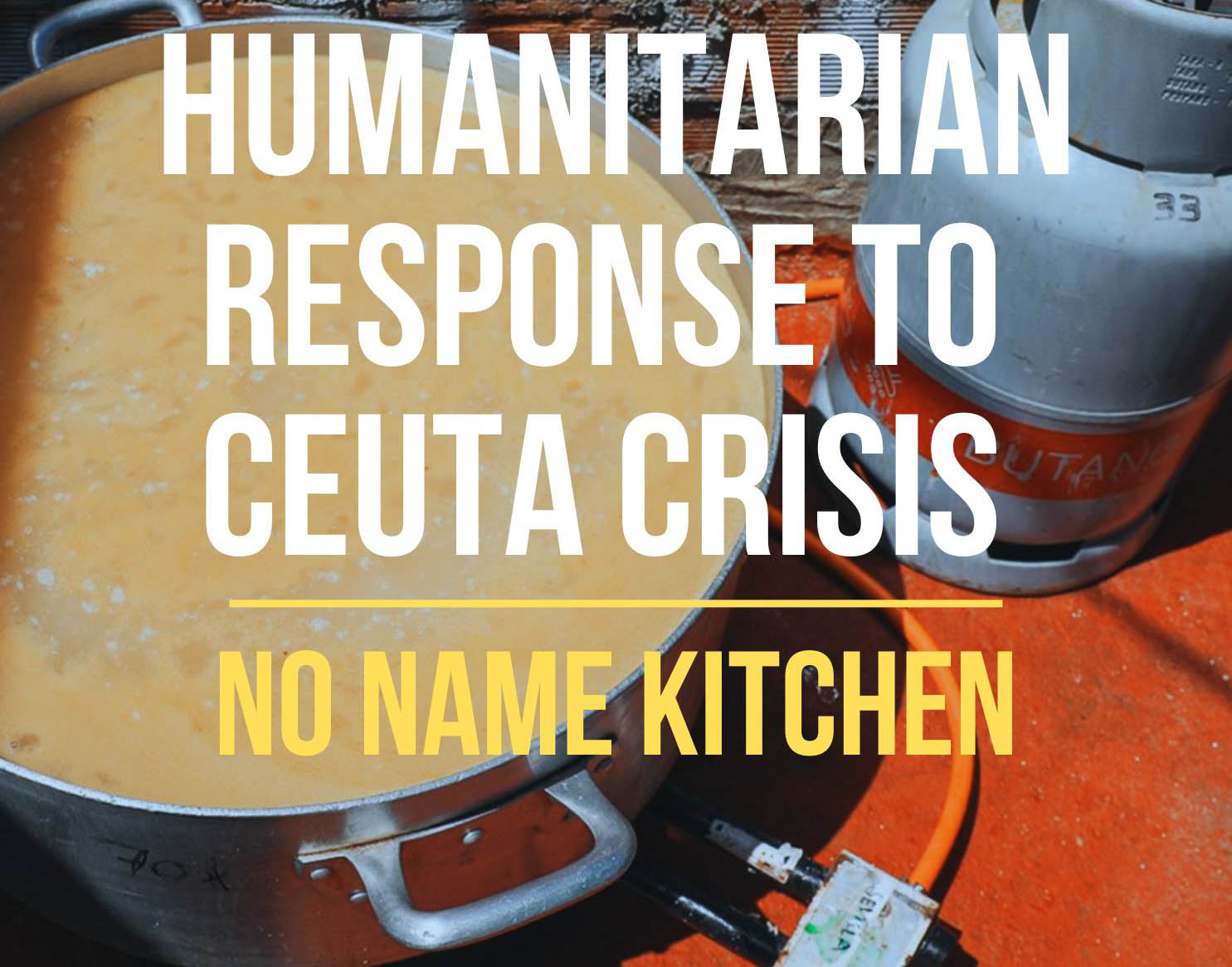
No Name Kitchen, a partner organisation of die schwelle, has been active in Ceuta since 2021, supporting People on the Move. It has now massively expanded its capacity there in response to the crisis. The team, which originally consisted of five people, has grown to twenty and is supporting people stranded in Ceuta with food, basic medical care, legal assistance and the documentation of human rights violations. In the first month of the crisis alone, more than 30,000 meals were distributed, more than 1,150 people received medical assistance, and more than 150 testimonies concerning violence by police and military personnel were collected. The situation of unaccompanied minors is particularly alarming: boys aged 16 and 17 are not recognised as minors by the authorities and therefore have no access to protection or guardianship. Many refuse to return to Morocco and live in constant fear. Girls report rape and sexual violence, both by other people on the move and by members of the local community.
At the same time, No Name Kitchen’s work is becoming increasingly difficult. Since the beginning of the crisis, the organisation has faced a growing campaign of intimidation, criminalisation and violence. Team members have been detained, attacked while carrying out their work, and subjected to hate messages and death threats on social media. At the same time, makeshift camps where people on the move are staying have been attacked and set on fire.
While media attention is fading, the crisis continues to worsen. Infections are increasing, hunger persists, and tensions with the local population are growing. Political blockades are delaying transfers to mainland Spain, and many people continue to live in a legal limbo, without access to registration or information about their status. No Name Kitchen warns: the emergency is not over – it is entering a less visible but more dangerous phase.
For this reason, die schwelle Foundation has provided immediate, uncomplicated emergency funding to help maintain the provision of food and water, low-threshold medical care and legal support for young people on the move in the coming weeks. We need your donation to make this possible. At a time when human rights are being systematically disregarded at the borders of Europe, your donation to No Name Kitchen can make a crucial difference – and send a strong signal of solidarity and humanity.
Donate now: Online donation
Or: die schwelle Foundation, IBAN: DE67 4306 0967 4028 9726 00
Partner project: No Name Kitchen